Excavation Terms
Backfill
Material used to fill an excavation after the necessary work has been completed. It involves replacing the soil or other materials that were removed during excavation.
Benching
A method of protecting workers in a trench by cutting the sides of the excavation into a series of steps. This safety technique prevents collapse by reducing the height of the trench walls.
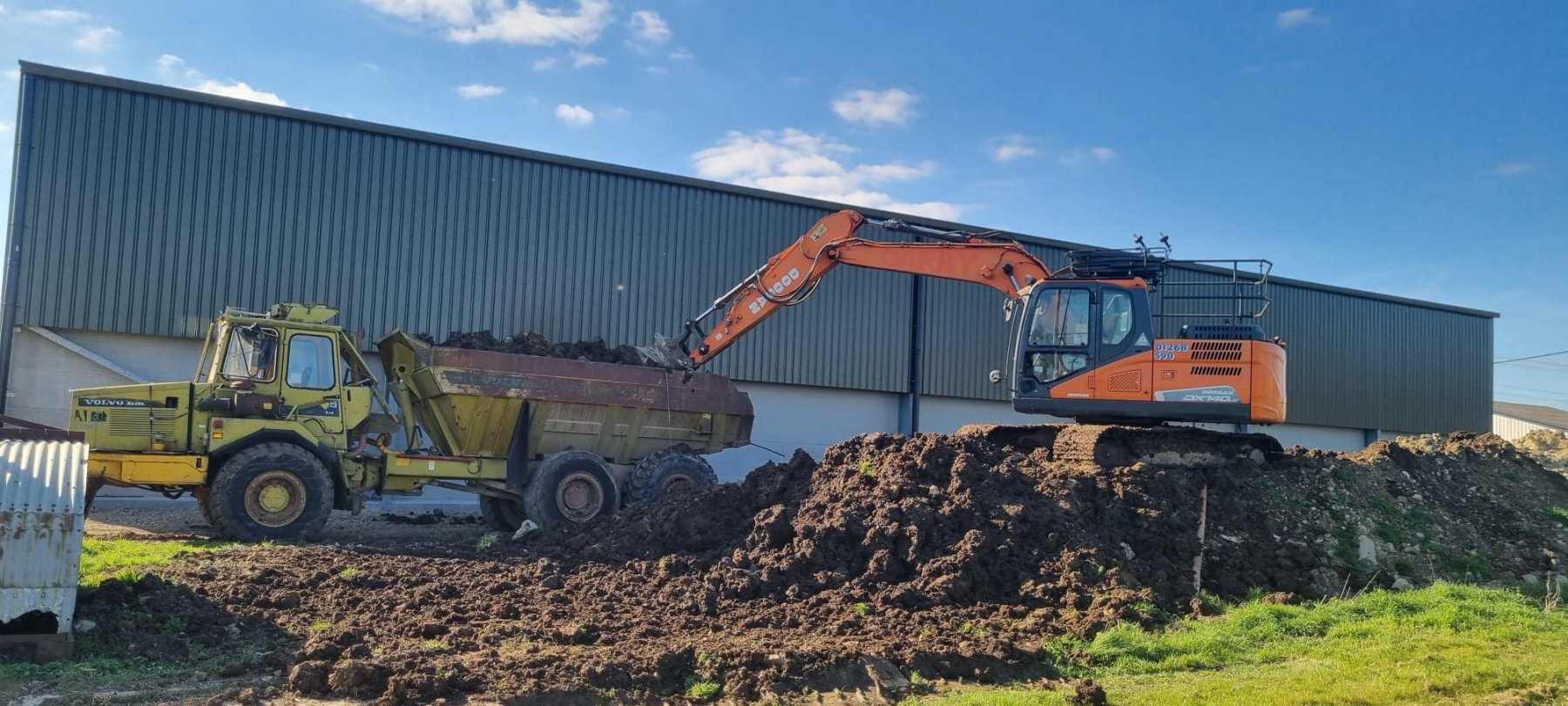
Excavation
The process of moving earth, rock or other materials with tools, equipment, or explosives.
Grading
The process of leveling or smoothing out the soil, usually for the foundation of a building or as preparation for paving.
Trenching
Digging a long, narrow excavation that’s deeper than it is wide. Trenches are typically dug for installing pipes, cables or drainage systems.
Underpinning
The process of strengthening and stabilizing the foundation of an existing building or structure. This is often necessary when excavations are made close to existing structures.
Demolition Terms
Asbestos abatement
The removal or minimization of asbestos in a building before demolition. Special procedures must be followed to avoid releasing asbestos fibers into the air.
Deconstruction
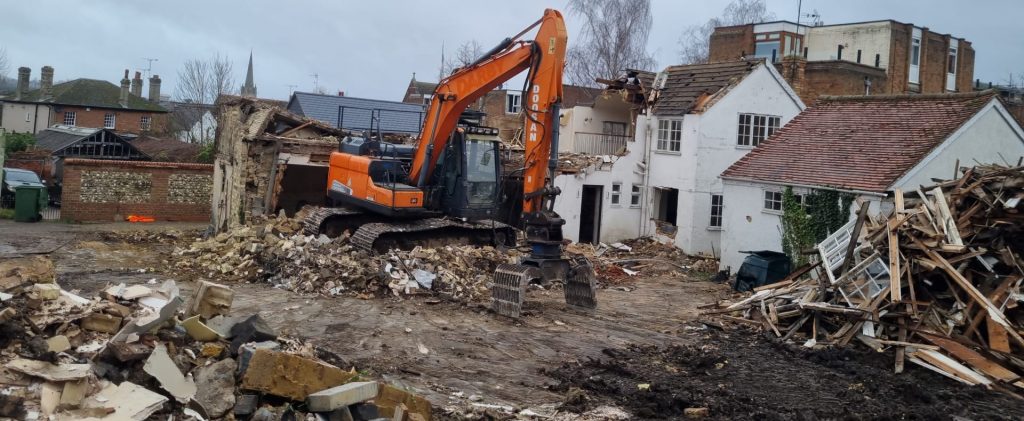
The process of selectively dismantling building components for reuse, recycling or waste management. Unlike traditional demolition, deconstruction focuses on minimizing waste and salvaging useful materials.
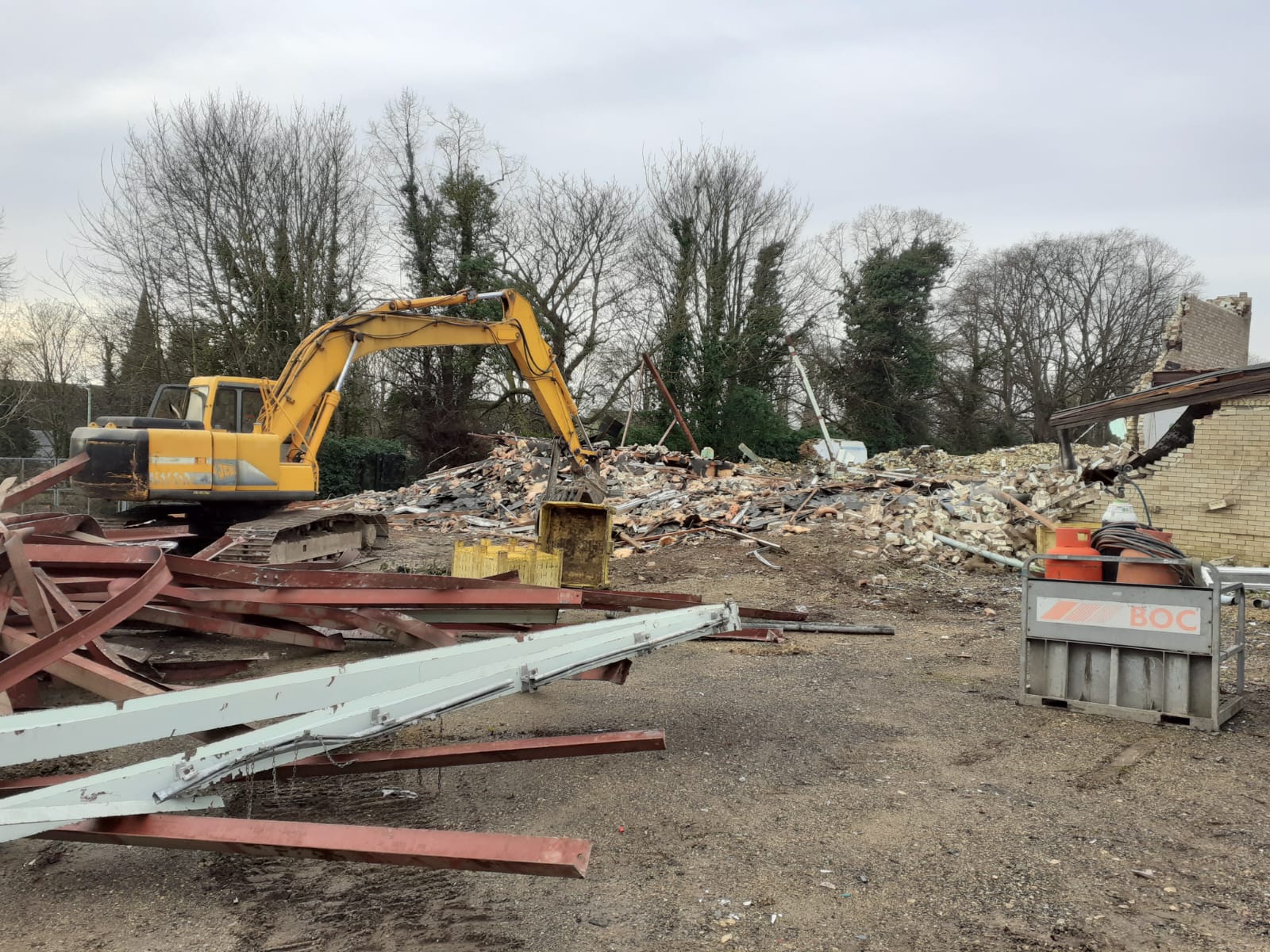
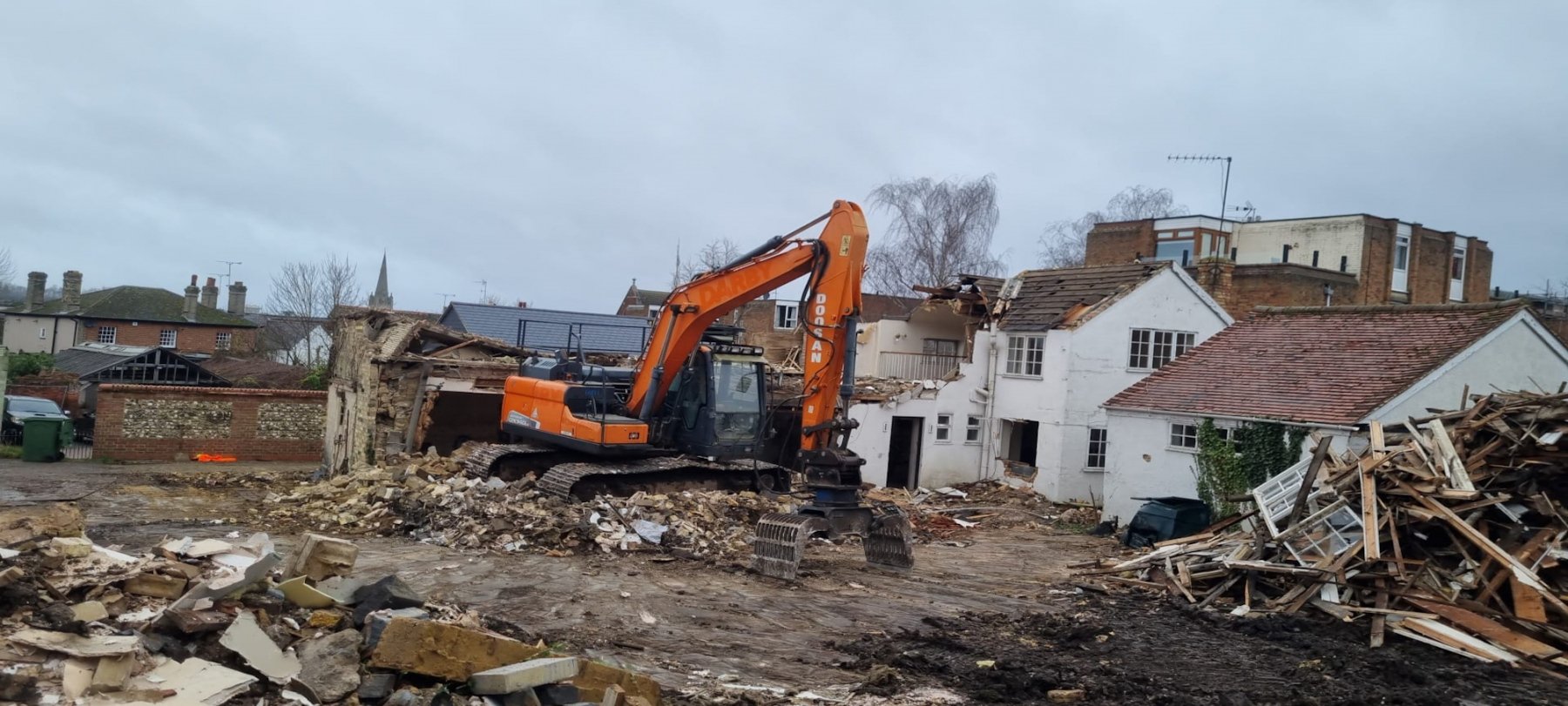
Demolition
The deliberate dismantling or destruction of a building or structure, either manually or mechanically.
Hazardous materials
Substances that can pose a significant risk to health or safety. In demolition, hazardous materials might include asbestos, lead-based paint or chemicals.
Implosion
A type of demolition using explosives to collapse a building inward quickly and efficiently. This method is often used for large structures in urban areas.
Razing
Another term for demolishing a building or structure, ensuring it’s brought down to the ground level.
General Terms
Clearance
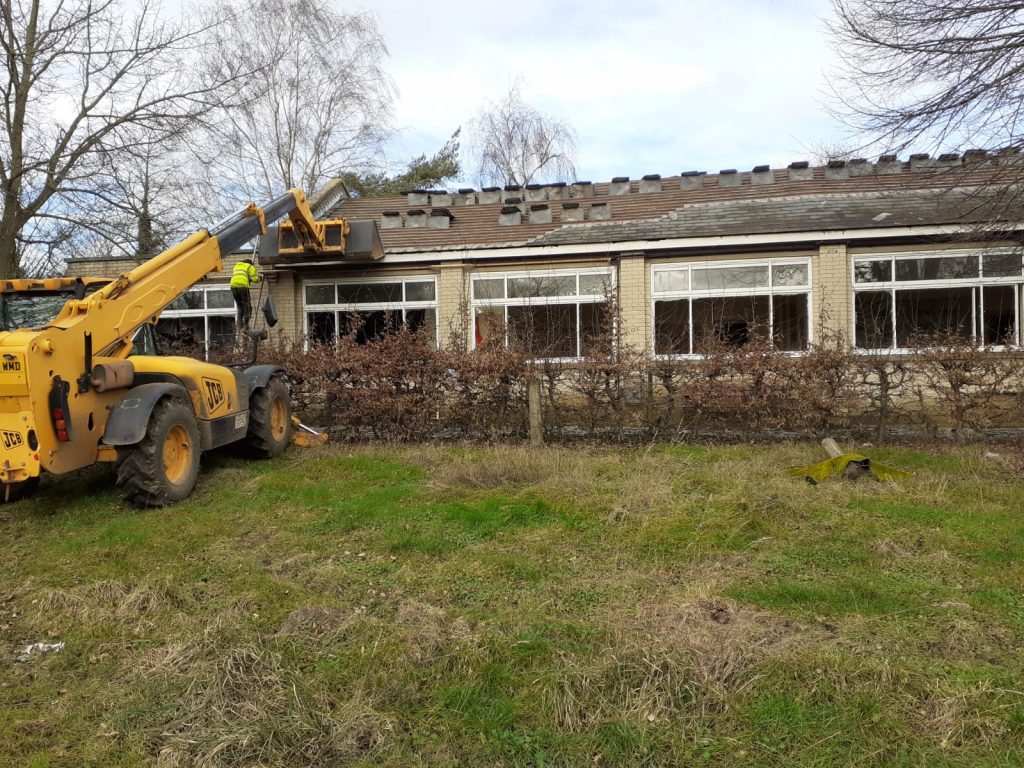
The process of removing all materials from a site or specific area, including debris and waste, often required before construction can begin.
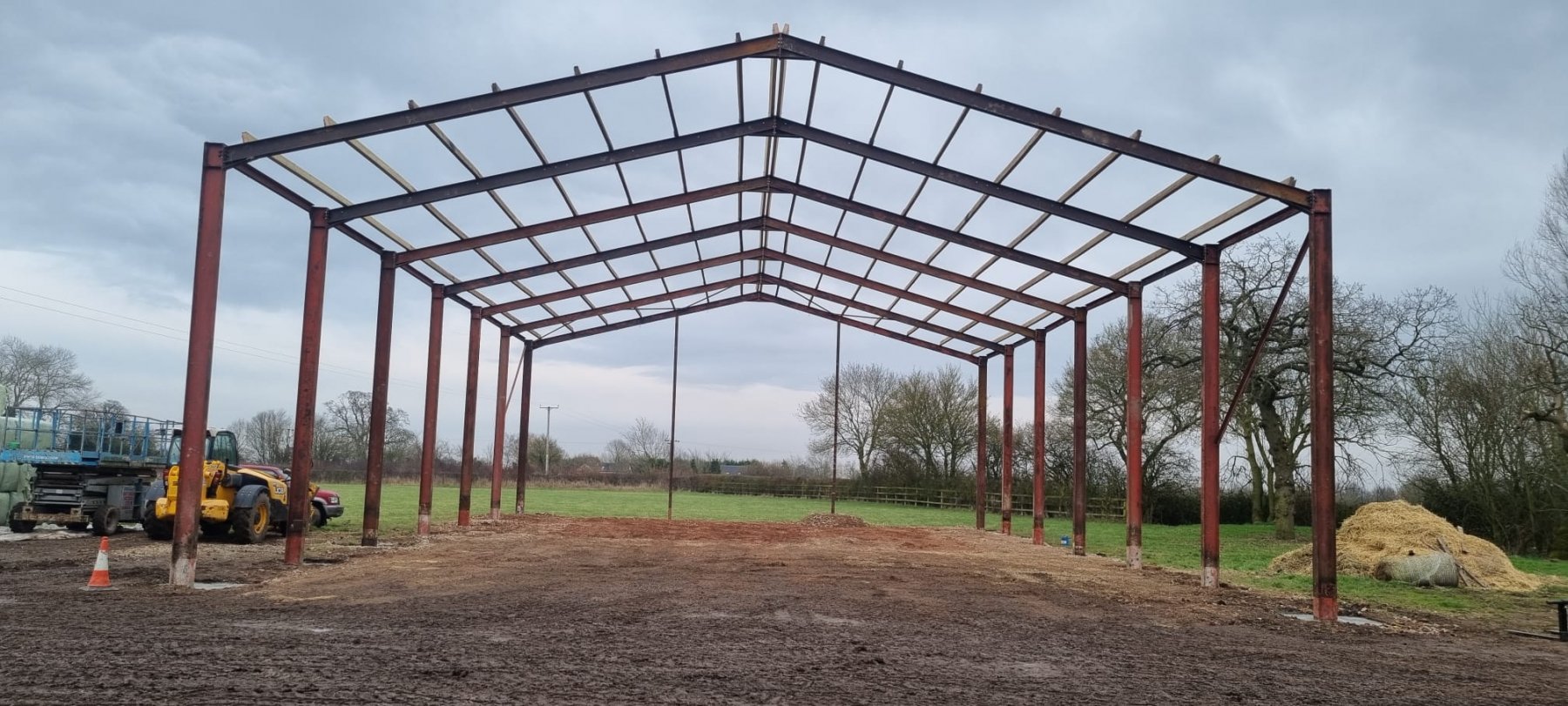
Site preparation
Activities that prepare a site for construction or other changes, including clearing, grading and setting up site boundaries.
Surveying
Measuring and mapping the land. Surveyors establish site boundaries and topography, which is crucial for accurately planning construction or demolition projects.
Utility location
The process of identifying and marking underground utilities before starting excavation. This is crucial for avoiding damage to utilities such as water, gas, electricity and telecommunications services.